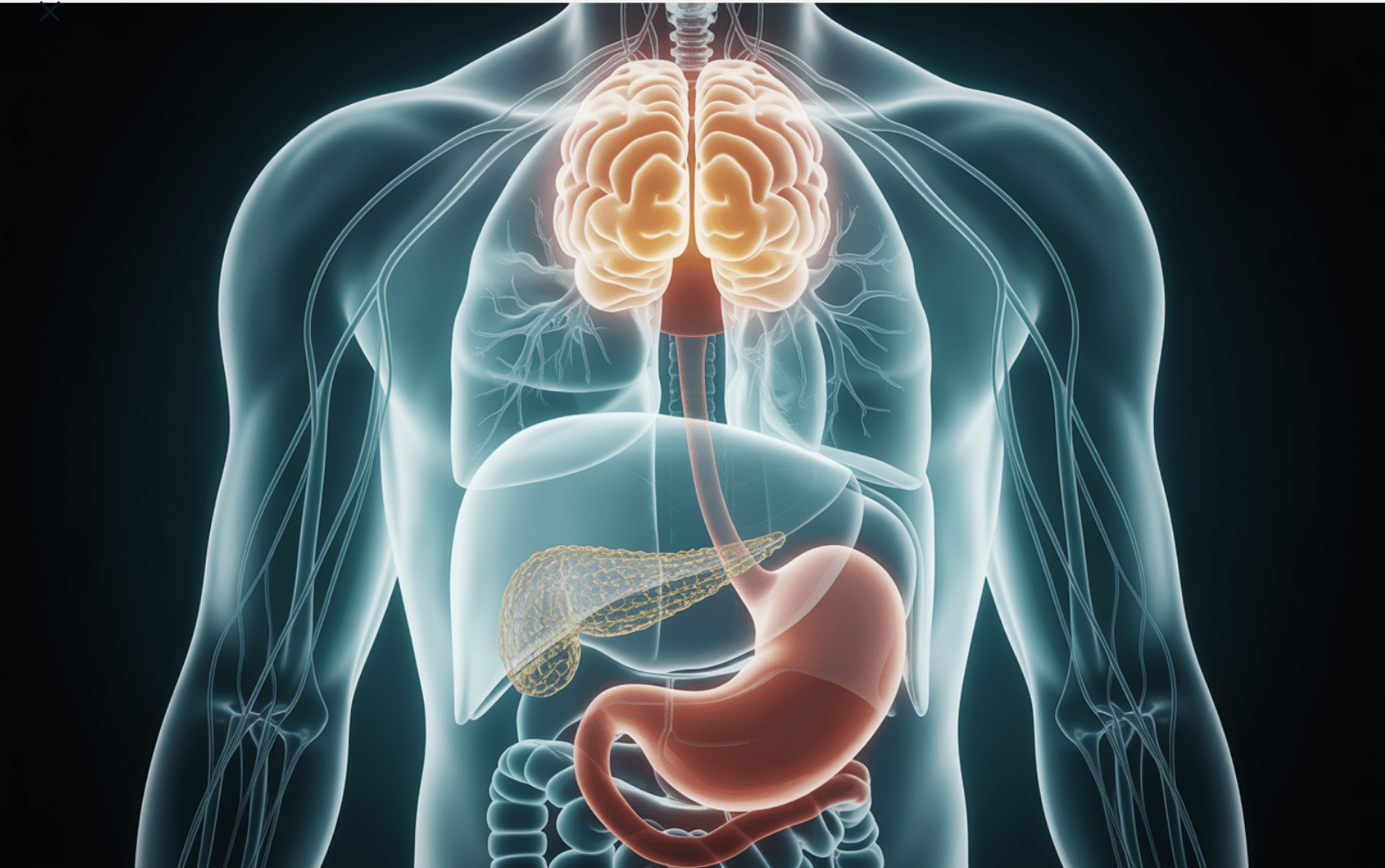
How GLP-1 Medications Regulate Hunger and Metabolism
1. Appetite Regulation Through the Brain’s Satiety Centers
GLP-1 medications activate receptors in the hypothalamus—specifically those associated with appetite control. This results in:
- Reduced hunger signals
- Increased fullness after meals
- Greater control over emotional or habitual eating
By aligning physiological signals with behavioral goals, patients naturally gravitate toward healthier food choices without feeling deprived.
2. Improved Insulin Response and Blood Sugar Balance
GLP-1 therapies help the pancreas release insulin only when glucose levels rise, reducing blood sugar spikes and improving overall metabolic stability. This effect also lowers the risk of insulin resistance progression and supports fat loss.
3. Slowed Gastric Emptying for Better Meal Satisfaction
These medications slow the speed at which food leaves the stomach. This enhances fullness after meals and decreases overeating, contributing to sustained caloric deficit and gradual weight reduction.
4. Reduction in Inflammation and Metabolic Stress
Research shows that GLP-1 therapies may reduce systemic inflammation, a key driver of metabolic disorders. Better inflammation control supports:
- Heart health
- Liver function
- Hormonal stability
- Long-term weight maintenance
Why Medical Supervision Is Essential for Safe GLP-1 Use
GLP-1 medications are powerful tools that must be personalized. A medical provider ensures that each patient receives the correct dosage, appropriate monitoring, and ongoing lifestyle support to maximize results and safety.
1. Baseline Evaluation and Eligibility Screening
Before beginning therapy, medical professionals assess:
- Medical history
- Lab tests (A1C, kidney function, lipids)
- Current medications
- Family history
- Underlying conditions
This reduces the risk of contraindications and ensures the patient begins therapy safely.
2. Tailored Dosing Schedules
Improper dosing is one of the main causes of side effects. Under medical guidance:
- Doses increase gradually
- Adjustments are made based on patient feedback
- Providers ensure the most effective and tolerable medication plan
3. Monitoring Progress and Health Indicators
Medical supervision includes ongoing assessments to ensure safety:
- Weight and body composition
- Glucose levels
- Blood pressure
- Digestive responses
- Sleep and energy patterns
This structured oversight allows early detection of any potential issues and timely adjustments.
4. Preventing and Managing Side Effects
Common side effects—such as nausea, fatigue, or constipation—are typically mild and temporary when managed correctly. Providers give evidence-based strategies to minimize discomfort and ensure the patient stays on track safely.
The Role of Lifestyle Support in Enhancing GLP-1 Results
GLP-1 medications are most effective when combined with consistent habits that support metabolic health.
Balanced Nutrition
A nutrition plan rich in lean protein, fiber, and hydration enhances results. Eating every 4 hours stabilizes blood sugar and prevents overeating.
Movement and Strength Training
Physical activity improves:
- Insulin sensitivity
- Muscle preservation
- Metabolic rate
Sleep and Stress Management
Both influence appetite hormones and inflammation, making them critical pillars of success.
Long-Term Benefits of Medically Guided GLP-1 Therapy
When managed correctly, GLP-1 therapies offer long-lasting advantages such as:
- Sustained weight reduction
- Reduced visceral fat
- Lowered risk of diabetes
- Improved cardiovascular markers
- Better quality of life
With medical supervision, patients transition into maintenance phases where lifestyle habits take the lead, ensuring results endure beyond medication use.
7 Frequently Asked Questions About GLP-1 Therapies
1. Are GLP-1 medications safe for long-term use?
Yes. Clinical studies support their safety when monitored by medical professionals, with ongoing evaluation to track metabolic markers and adjust as needed.
2. Can I take GLP-1 therapy if I don’t have diabetes?
Absolutely. Many individuals use these medications strictly for weight management and metabolic health, under medical supervision.
3. What side effects should I expect?
Mild nausea, constipation, or decreased appetite are common but temporary. Providers offer strategies to minimize discomfort.
4. How quickly will I see results?
Most patients experience noticeable changes within the first 4–8 weeks, with significant progress over several months.
5. Do GLP-1 medications replace diet and exercise?
No. They enhance physiological mechanisms but work best when combined with healthy habits.
6. Is the weight loss permanent?
With medical guidance and lifestyle support, many patients maintain results long-term—even after reducing or discontinuing medication.
7. Who should avoid GLP-1 therapies?
Individuals with certain thyroid conditions or pancreatitis history may not be candidates. Medical evaluation is essential before beginning treatment.
Final Thoughts: Safe, Effective Results Through Expert Guidance
GLP-1 therapies offer a powerful, medically validated pathway to better metabolic health. When paired with professional monitoring, lifestyle support, and personalized dosing, these medications deliver safe, sustainable outcomes that improve weight, energy, and long-term wellness.
Ready to Start or Need Support?
Discover how small habits create lasting results.
Our team is here to support you through every step of your medical weight-care journey.
Contact Options
📱 WhatsApp: 754.276.1746
📞 Call: 754.752.1888
💬 Message: 754.752.1888
📧 Email: [email protected]
📸 Instagram: @diversecarenow